

Available 24 x 7 x 365
Use our patient portal to easily schedule your exams. Choose a convenient appointment time for you. Now accepting online appointments for:
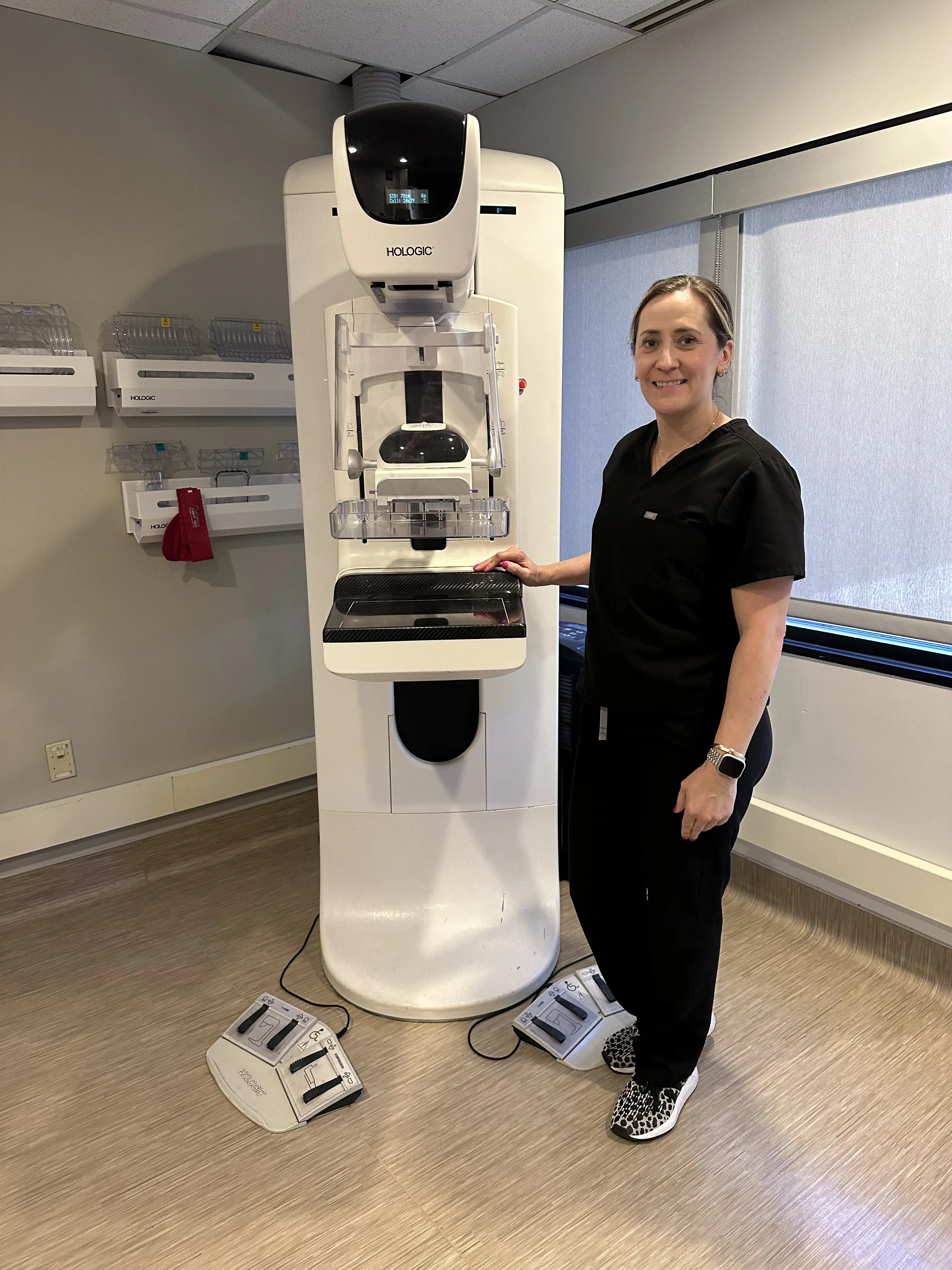
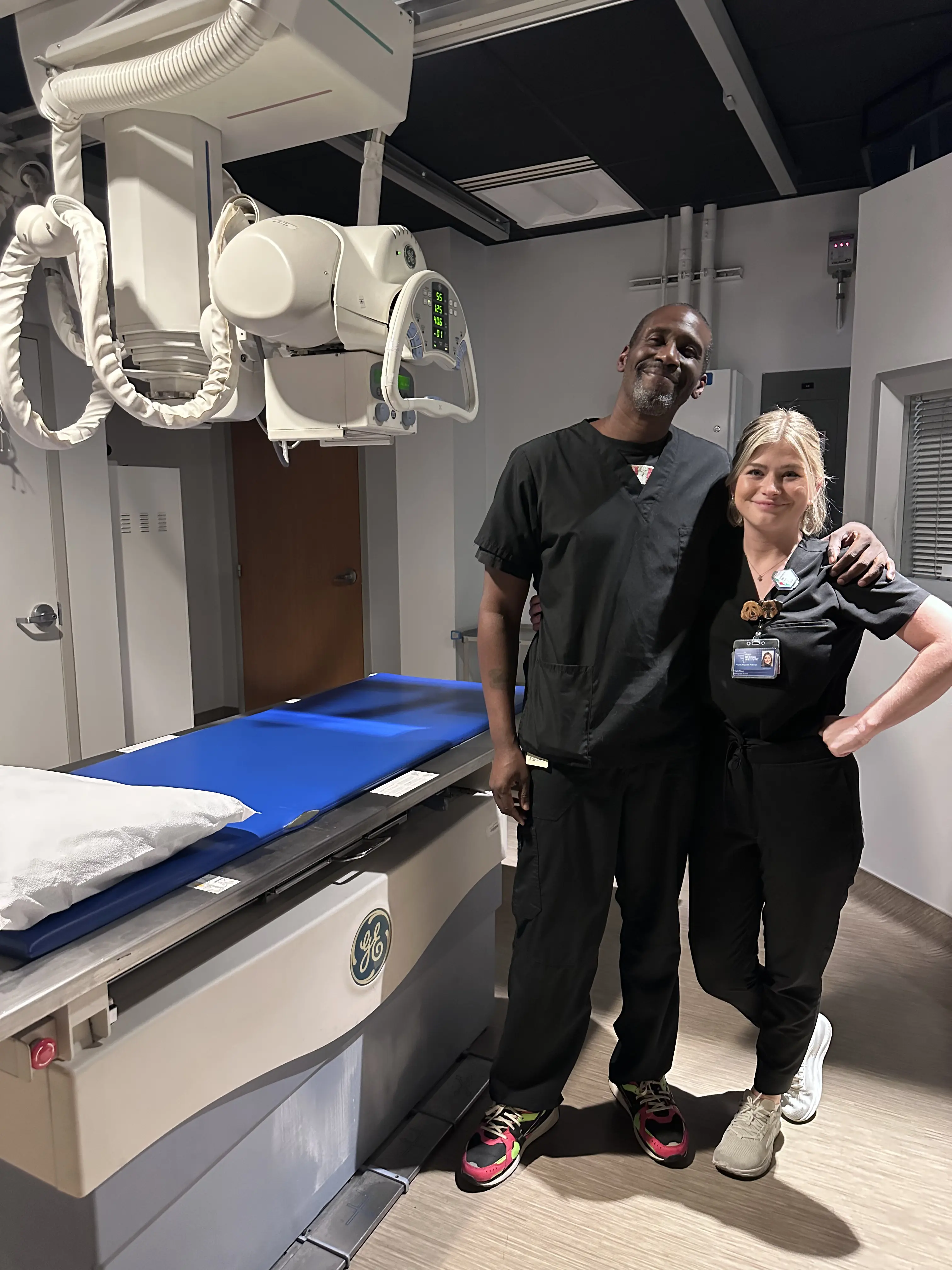
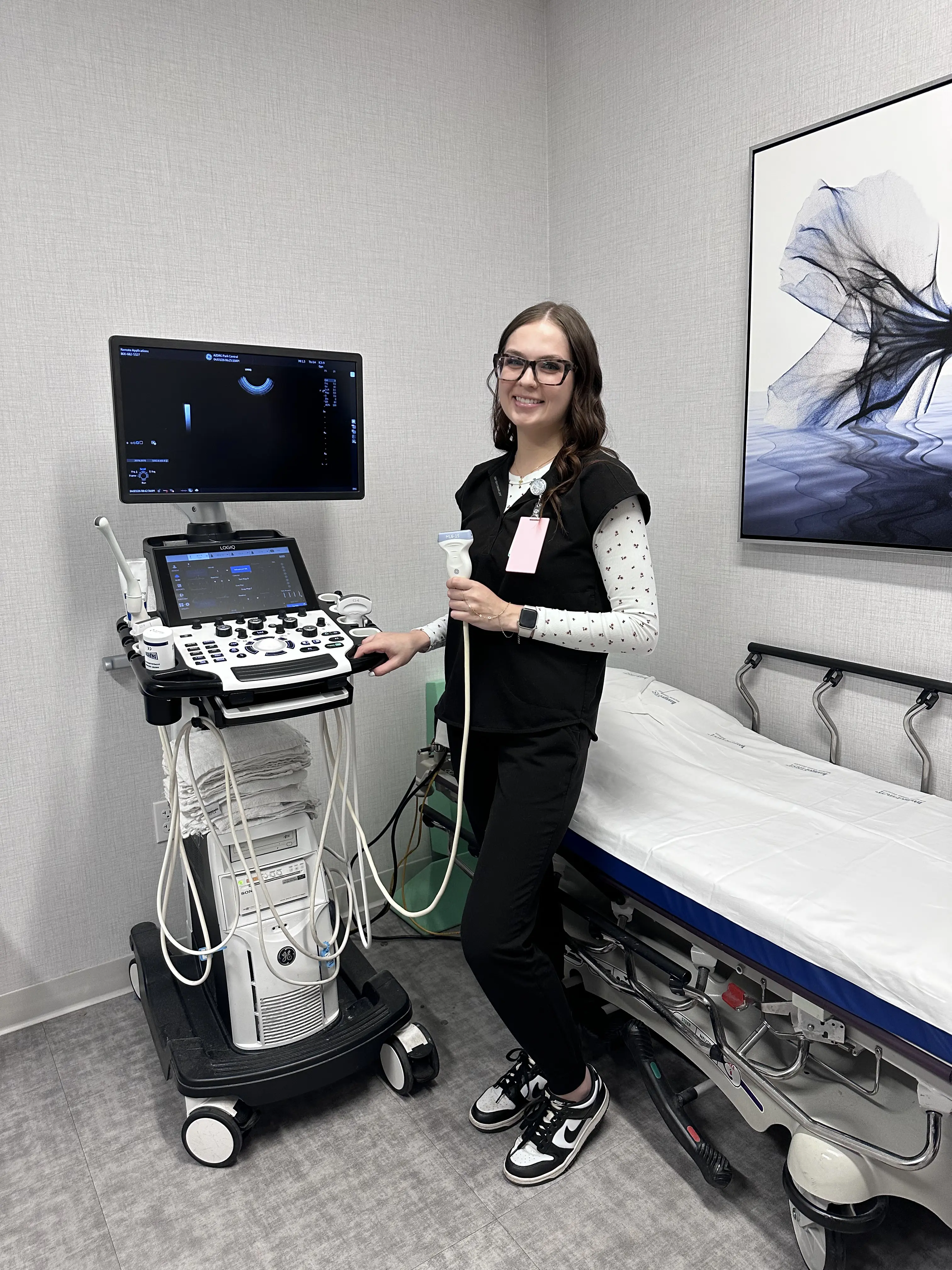
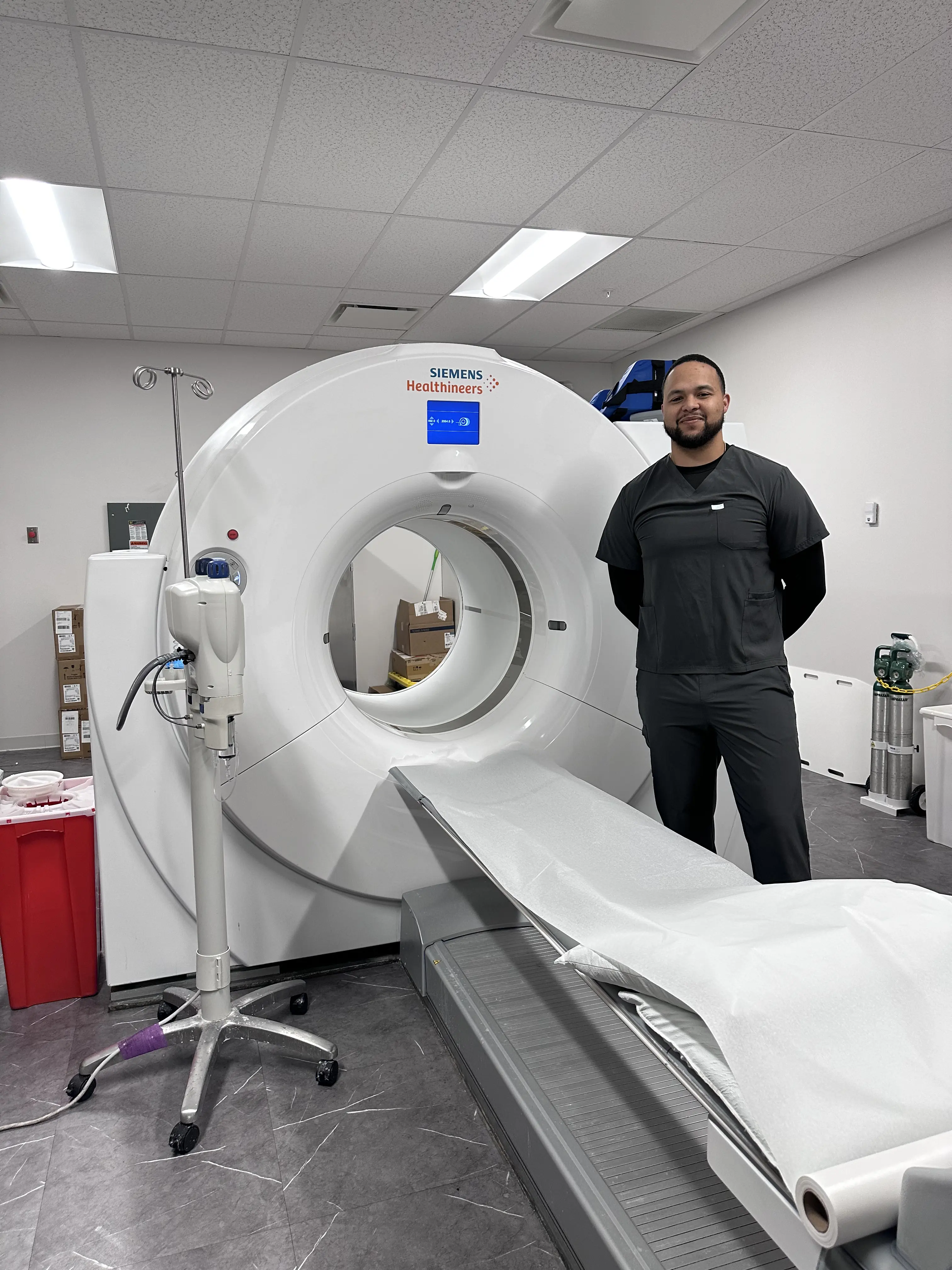
CT DEXA Mammography MRI Ultrasound X-Ray
Schedule - New Patient Schedule - Established PatientCall Us
Scheduling Phone
(480) 455-1850
Scheduling Hours
Monday–Friday 7:30 am–6:00 pm
Saturday 8:00 am–12:00 pm
Sunday Closed
X-Rays
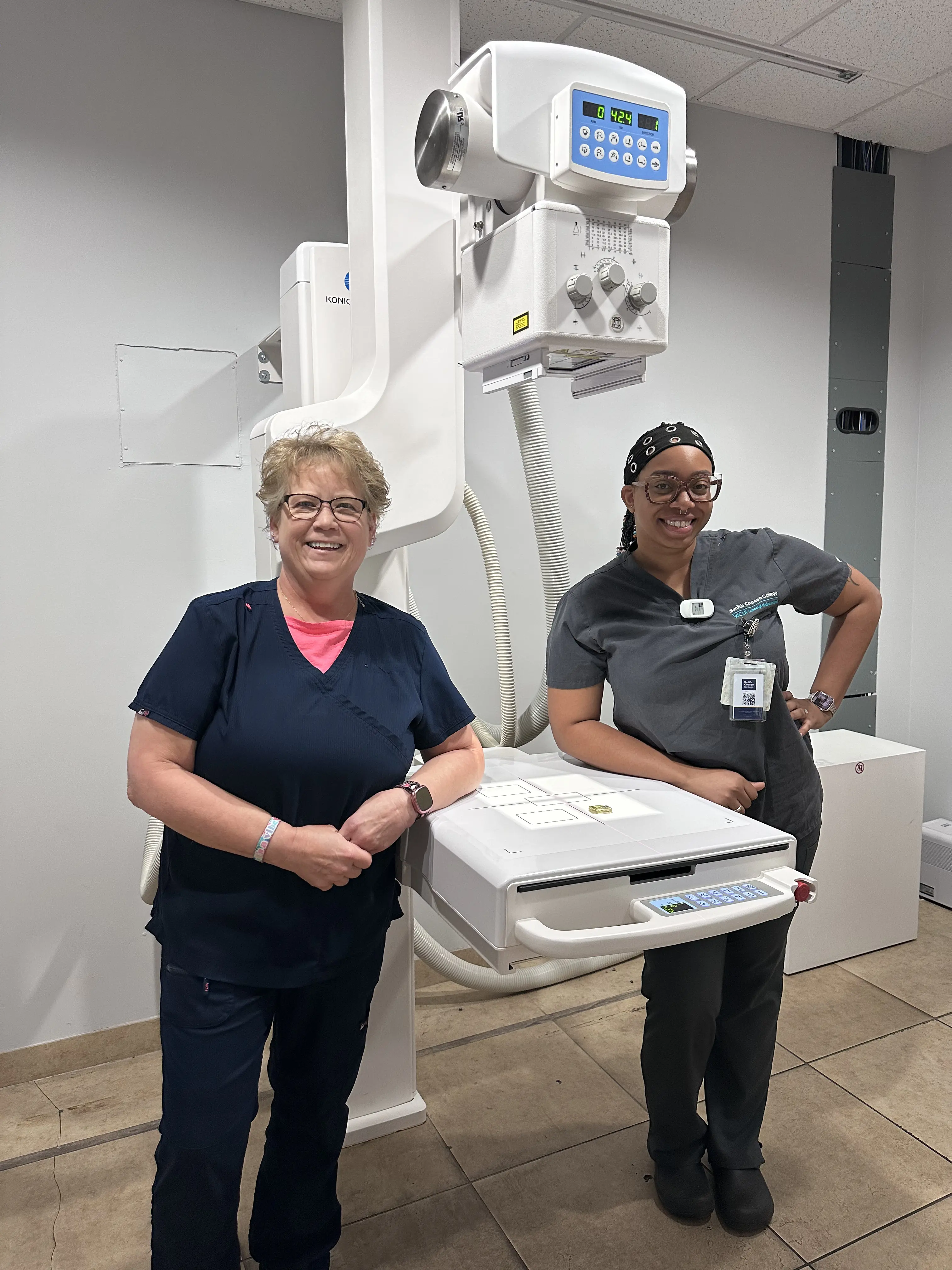
X-Rays can be performed on a walk-in basis.
Visit xrayhours.com for locations, hours, and wait times.
Mammograms
Walk-In 3D Screening Mammograms can be scheduled at
mammohours.com. No doctor order required – just have an active primary care provider or OBGYN.
Breast Biopsy
A breast biopsy is a minimally invasive procedure that removes a small sample of breast tissue for testing. The tissue is sent to a lab where a pathologist examines it under a microscope and provides a report.
Breastlink Chandler | 1727 W Frye Rd, #110, Chandler, AZ 85224
Breastlink Kierland | 7469 E Monte Cristo Ave, #200, Scottsdale, AZ 85260
Casa Grande | 1669 E McMurray Blvd, Casa Grande, AZ 85122
Gilbert Baseline | 4915 E Baseline Rd, #116, Gilbert, AZ 85234
Park Central | 3115 N 3rd Ave, #S-140, Phoenix, AZ 85013
Breastlink Park Central | 3115 N 3rd Ave, #S-140, Phoenix, AZ 85013
Sun City Peoria | 9069 W Thunderbird Rd, Peoria, AZ 85381
Why a Breast Biopsy Is Done
A breast biopsy is usually recommended if there is a suspicious area in the breast, such as a lump, or if unusual findings appear on a mammogram or breast ultrasound. The results help your doctor determine whether the area is cancerous or non-cancerous. This information guides decisions about treatment and next steps.
How Biopsies Are Performed
At Arizona Diagnostic Radiology, our fellowship-trained breast radiologists perform image-guided needle biopsies using precise imaging to ensure accurate results. A biopsy may be done with a needle through the skin or, in some cases, with a minor surgical procedure.
Types of Image-Guided Breast Biopsies
- Fine Needle Biopsy (FNA) – The least invasive option. Local anesthesia is used, and a thin hollow needle removes cells from the suspicious area. Usually leaves no scar.
- Ultrasound-Guided or Stereotactic Needle Biopsy – Imaging guides a needle directly to the area of concern. Ultrasound is used for ultrasound-guided biopsy, and mammography is used for stereotactic biopsy.
- Core Needle Biopsy – Similar to FNA but uses a larger hollow needle to remove several small cylinder-shaped tissue samples. Local anesthesia is used, and scarring is minimal.
Both fine needle and core needle biopsies are quick, usually taking about an hour, and provide fast results with minimal discomfort.
What to Expect
During your breast biopsy procedure, you will lie down and your breast will be numbed. The radiologist uses precise imaging to safely collect tissue. Afterward, you can return to normal activities in most cases.
Breast biopsies are a safe and effective way to detect cancer early and help your care team plan the best treatment for your individual needs.